
Small State. Big System.
Building a coast-to-coast corridor where ethics, innovation, and sustainability move in sync.
The Green Innovation Corridor connects five powerhouse states through one ethical hub — New Hampshire. Together, we build systems that feed, power, and protect America sustainably.
New Hampshire — The Green Heart of America.
The Vision
-
![]()
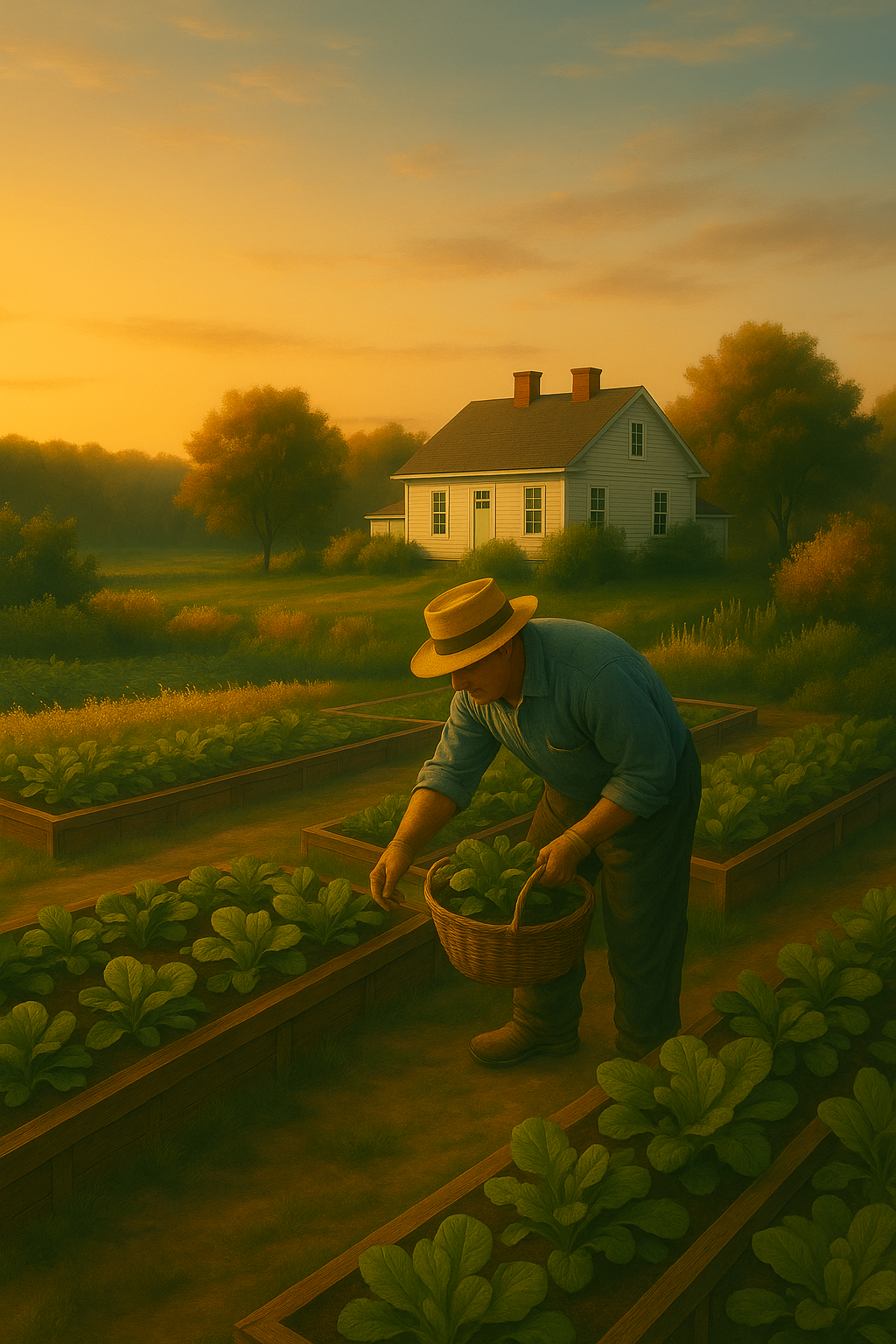
Climate Resilience
Prepared communities are prosperous communities. By investing in adaptive infrastructure and regenerative agriculture, the Corridor transforms climate risk into regional strength.
-
![]()
Human Centered Design
At the heart of every system is a person. Human-Centered Design ensures that every corridor innovation—from software to city planning—is created with empathy, accessibility, and long-term wellbeing in mind.
-
![]()
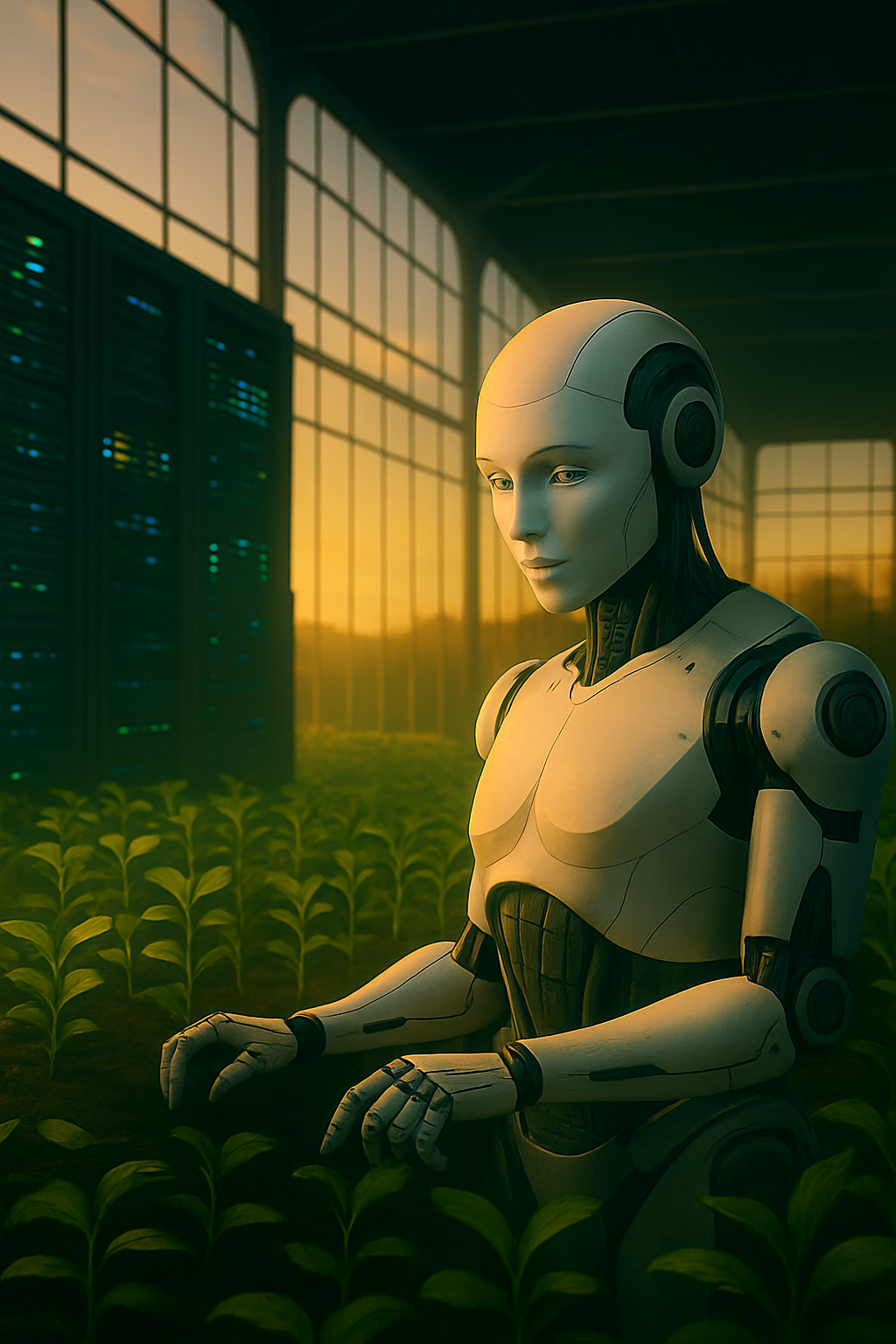
Ethical AI
Technology should serve humanity, not the other way around. Ethical AI within the Corridor ensures transparency, accountability, and human oversight—building intelligence that earns trust, not replaces it.
-
![]()
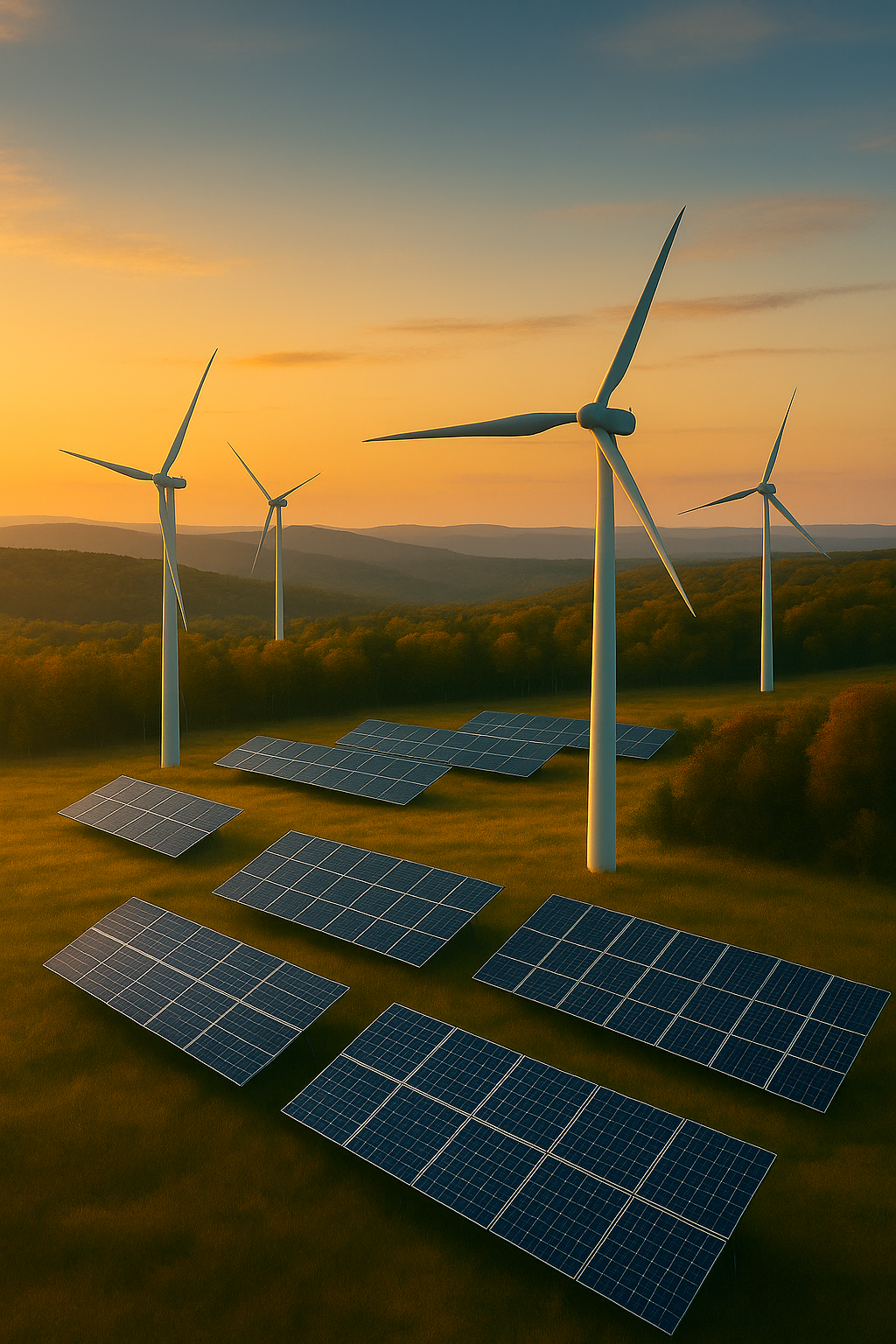
Renewable Power
Clean energy isn’t just a resource—it’s a responsibility. From solar to wind to hydro, the Green Corridor powers progress through sustainable systems that restore balance to both the grid and the ground beneath it.
-
![]()
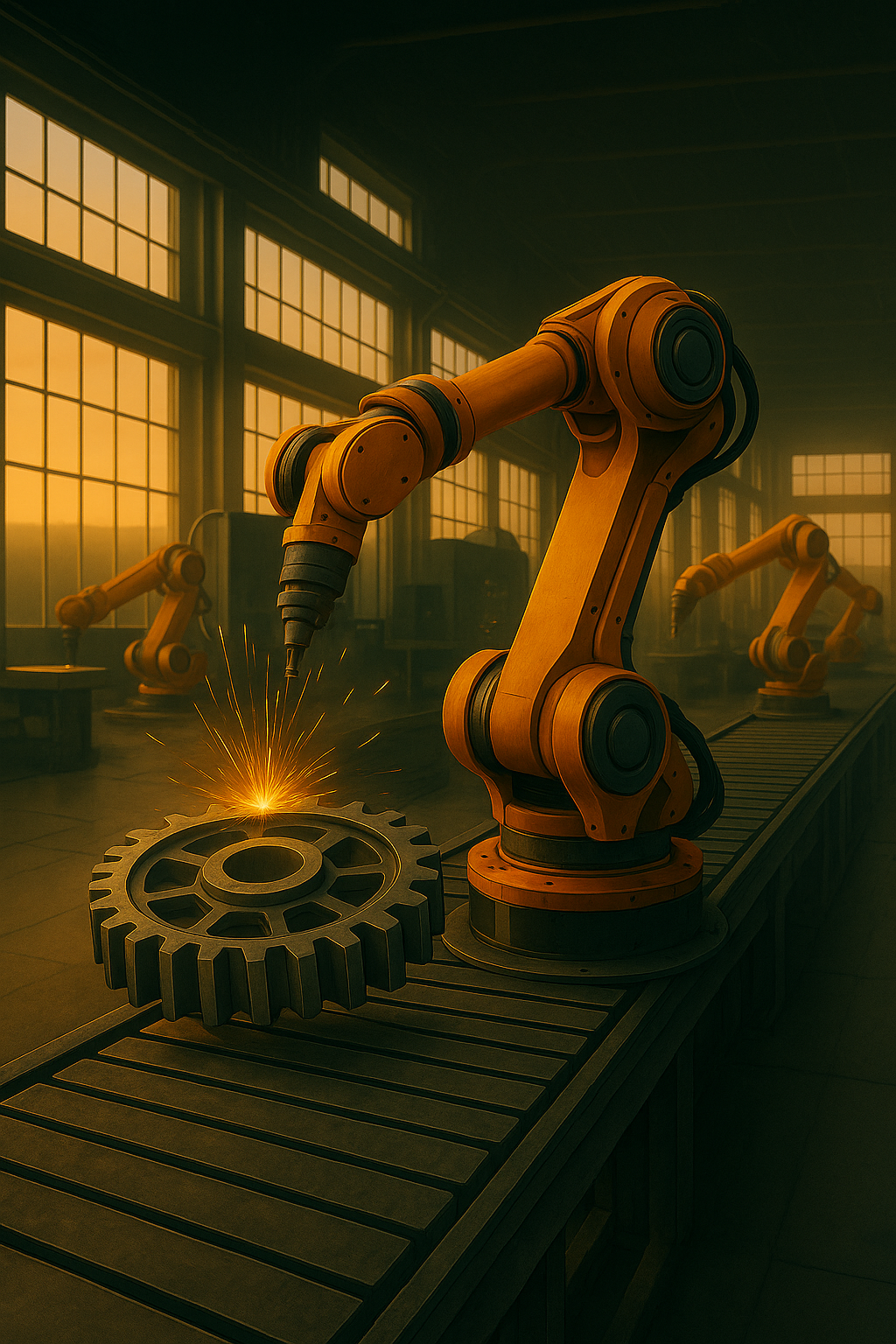
Smart Manufacturing
Innovation meets integrity in every product made. Through automation, precision, and green infrastructure, Smart Manufacturing drives local jobs and national resilience without sacrificing sustainability.
-
![]()
Emergency Response
When the world shifts overnight, our systems must hold: people, power, food, and clothing for the most vulnerable. Built on green energy NH can support partner states when they need it most.


The Corridor Network
-
![]()
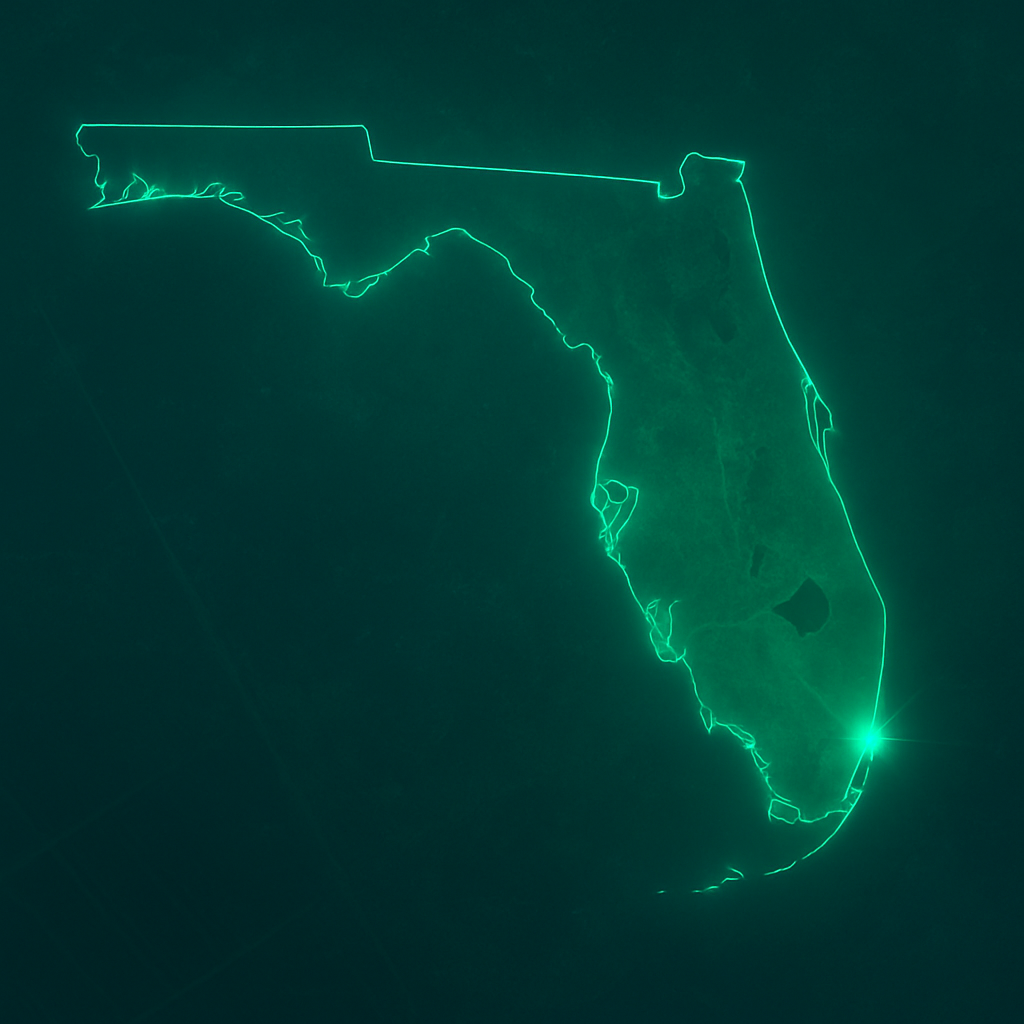
Florida
Energized by Florida
Harmonized by NH
-
![]()
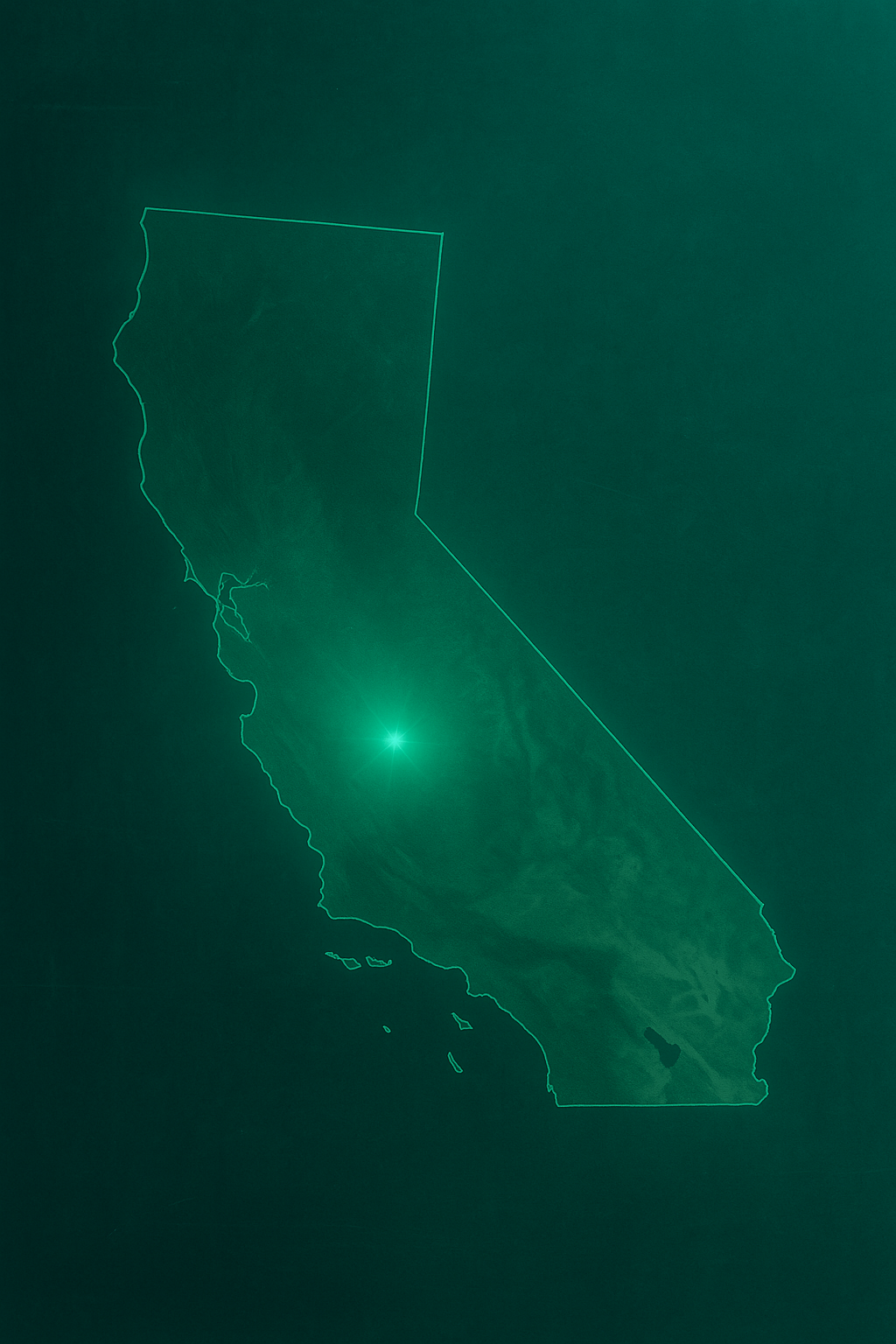
California
Cultivated by California
Sustained by NH
-
![]()
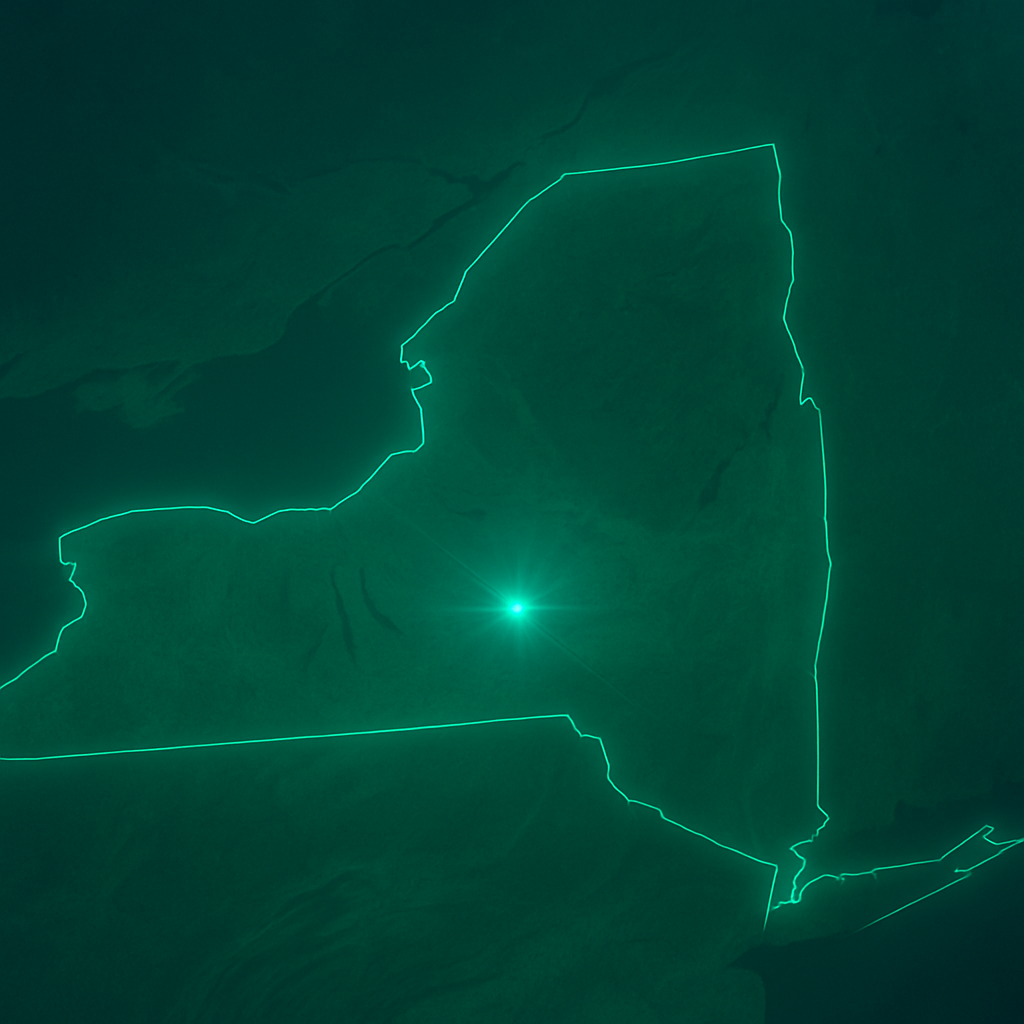
New York
Governed by New York
Guided by NH
-
![]()
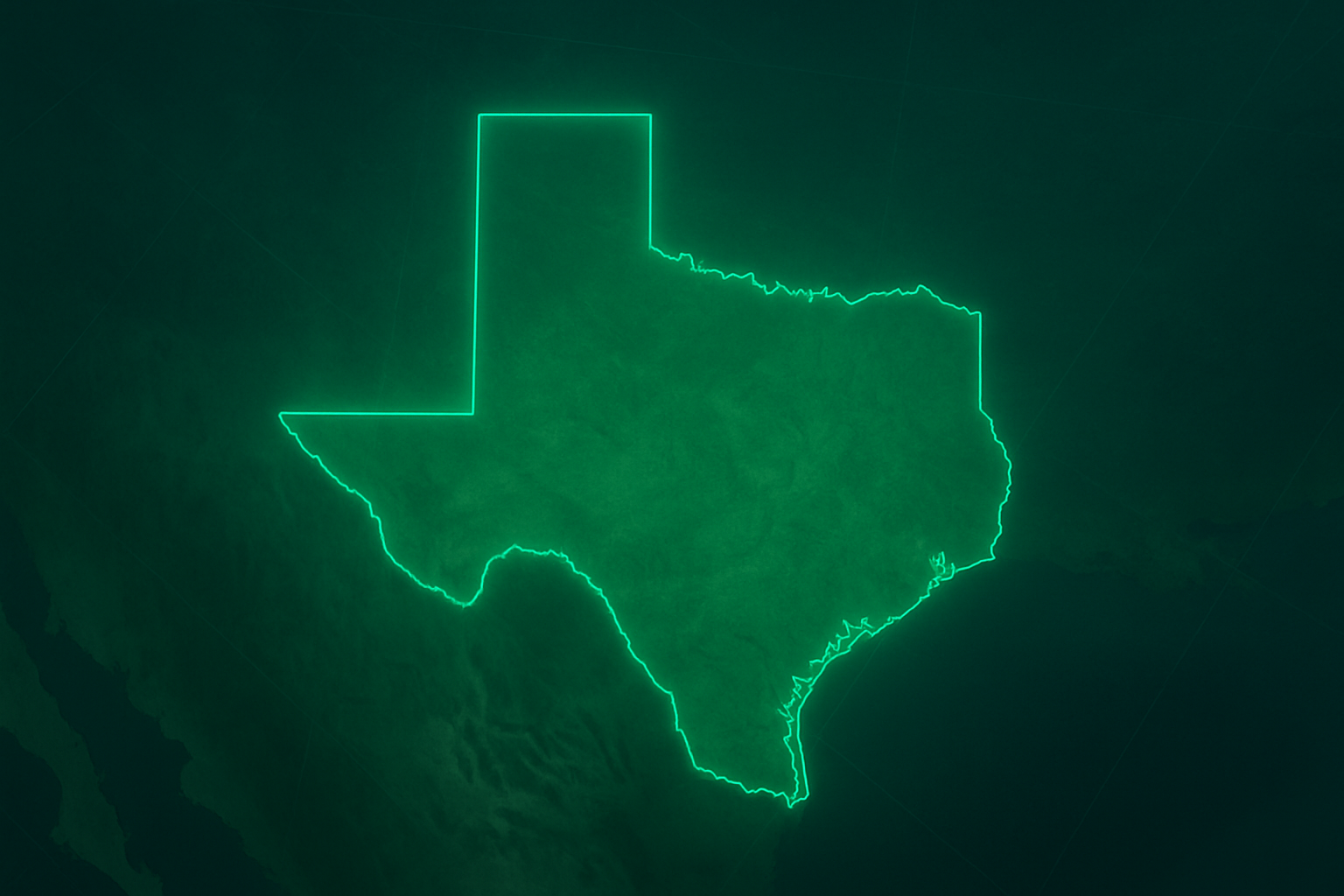
Texas
Fueled by Texas
Balanced by NH
-
![]()
New Hampshire
Rooted by New Hampshire
United by Purpose
-
![]()
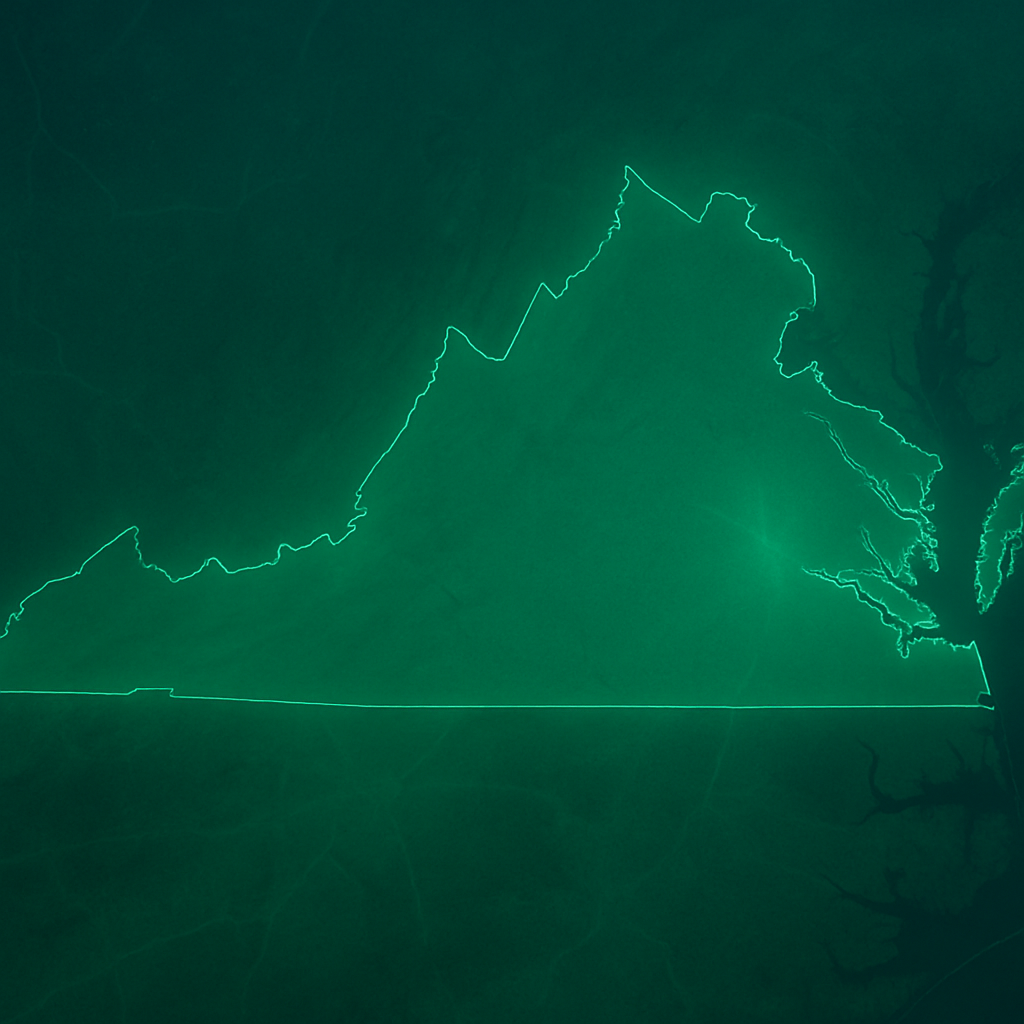
Virginia
Secured by Virginia
Trusted by NH
-
![]()
N/A
Outside the Corridor
Inside the Vision

Political Party Appeal
-
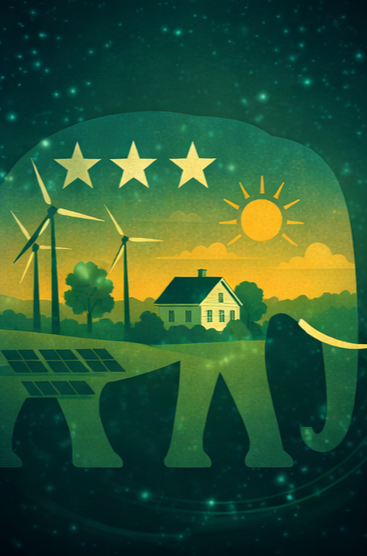
![Illustration of an elephant containing a rural home, renewable energy elements, and stars under warm light, representing Republican Party themes of tradition, stability, and community-centered values.]()
Republicans
Stronger markets.
Smaller government footprint.
Every job pays forward.
-
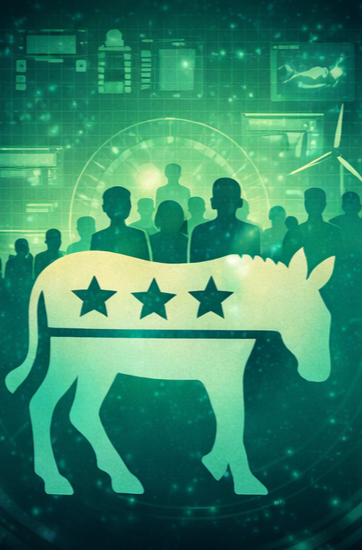
![Symbolic illustration of a donkey with three stars surrounded by a diverse crowd and digital data patterns, representing Democratic Party values of collective governance, public participation, and social systems.]()
Democrats
A living Green Deal
Healthier families, cleaner jobs
Protected privacy
-
![A white dove flying in front of a globe rendered in teal light, symbolizing political independence, neutrality, and a balanced global perspective outside traditional party structures.]()
Independents
Built locally
Owned locally
Benefiting everyone
-
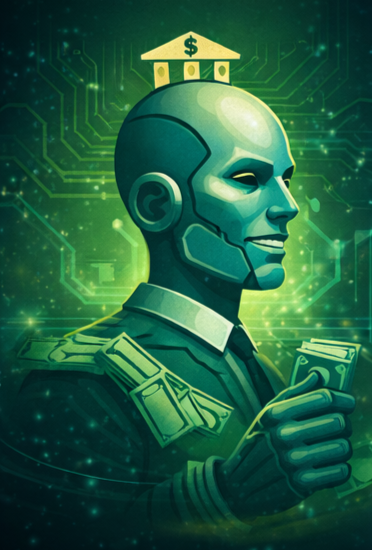
![Stylized futuristic illustration of a powerful figure holding currency with digital circuitry and institutional symbols, representing concentrated capital and oligarchic influence within modern economic systems.]()
Broligarchs
Intelligence that earns
Power that lasts
Systems that serve the future

Three Pillars of Stability
-
![A smiling parent and child in a renewable energy setting with wind turbines and a diverse community in the background, representing people, family stability, and human-centered outcomes within the New Hampshire Green Innovation Corridor.]()
People
Power your future, not just your home. The Green Corridor builds stability—jobs, housing, food, clothing, and energy security—by putting local communities first.
-
![Two business leaders standing in a future-focused cityscape with digital and global elements, symbolizing business, economic stability, and responsible innovation within the New Hampshire Green Innovation Corridor.]()
Business
Profit meets purpose. Grow smarter with Green Corridor partnerships that cut costs, expand markets, and turn sustainability into ROI.
-
![A government capitol building illuminated in teal light with digital governance symbols, representing public institutions, trust, and governance stability within the New Hampshire Green Innovation Corridor.]()
Government
Lead through balance. The Green Corridor strengthens resilience, lowers public burden, and proves progress can pay for itself.



Quick-Hit Metrics
-
A Decade of Growth, Built Locally
Between 2025 and 2035, the Green Innovation Corridor creates over 34,000 new direct jobs across energy, AI, manufacturing, tourism, and childcare — plus thousands more in indirect support roles.
How the Jobs Grow
2025–2026: Foundation Phase (2,000–3,000 jobs)
Launch of the NH Green Workforce Academy, pilot facilities, and child-care/live-work centers.
Focus: renewable R&D, training, and construction.2027–2029: Expansion Phase (10,000–12,000 jobs)
Multi-state facilities come online — clean-energy labs, adaptive-textile factories, AI ethics hubs, and coastal-resilience projects.
Earn-While-You-Learn programs bring local residents into skilled positions.2030–2032: Integration Phase (22,000–26,000 jobs)
Workforce housing, green resorts, and data-governance centers reach full operation.
Corridor-wide employment ratio hits the 80/20 target (80% local, 20% expert).2033–2035: Maturity Phase (34,000+ direct jobs)
Every major sector stabilized under NH’s 51/49 cooperative model.
Secondary growth adds another 12,000–15,000 indirect jobs in logistics, education, construction, and small business.
Where the Jobs Come From
Green Energy & Manufacturing TX–NH clean-grid + adaptive textiles - 10,000+
AI & Data Governance NY–NH ethical tech labs 5,000+
Climate & Agriculture CA–NH water & food systems 4,000+
Cyber & Maritime Resilience VA–NH defense + cyber ethics 5,000+
Tourism & Wellness FL–NH green resorts + workforce relocation 4,000+
Education & Childcare Infrastructure NH statewide program 6,000+
Total Direct Jobs: 34,000+ by 2035
Indirect Jobs: 12,000+
Economic Output: $4.5 B cumulative growthWhy It’s Credible
Each job sector is tied to a funded initiative with a defined ROI window (5–9 years), transparent public–private ratio (60/40), and verified workforce pipeline through the Earn-While-You-Learn model.
Together, these programs transform training into employment, employment into ownership, and ownership into long-term local wealth. -
A Decade of Measurable Prosperity
The Green Innovation Corridor generates more than $4.5 billion in regional GDP growth through energy, workforce, and infrastructure expansion — all under a 60/40 public-private framework with 51 percent New Hampshire ownership.
Every dollar invested circulates locally, building assets that continue paying forward.How the Growth Builds
2025–2026: Startup Capital ($250 M)
Pilot projects in renewable energy, adaptive textiles, and housing infrastructure launch the corridor.
Public return begins at 2.5× via workforce and training expenditures.2027–2029: Infrastructure Expansion ($1.2 B)
Regional hubs for power, food systems, and AI ethics open across five states.
Construction, logistics, and supply-chain activity fuel short-term GDP surge.2030–2032: Market Integration ($2 B)
Corridor industries reach operational maturity. Green exports and interstate energy sales increase private earnings while reducing import dependence.
Local GDP growth surpasses cost of federal input by year 8.2033–2035: Continuous Return ($4.5 B cumulative)
Every facility reports 5- to 9-year ROI; profits reinvest through NH’s 51 percent governance clause.
Ongoing dividends fund education, housing, and future R&D.
Where the Value Comes From
Sector, Primary Driver, Estimated Contribution by 2035
Renewable Energy & Grid Tech Texas–NH R&D and multi-state grid commercialization$1.4B
Manufacturing & Adaptive Textiles Automation, green materials, precision exports $900 M
AI & Data Governance Ethical data markets and transparency tools $750 M
Climate & Agriculture Systems CA–NH food and water resilience projects $600 M
Tourism & Wellness Economy FL–NH green destinations and workforce housing $550 M
Education & Childcare Infrastructure Workforce participation gains +12 %$300 M
Why It’s Sustainable
Reinvested Profit Model: 51 % NH ownership ensures capital stays in the system.
Measured ROI: Each project tracks performance in employment, carbon offset, and fiscal return.
No New Taxes: Growth driven by reinvestment, not public debt.
Resilient by Design: Diverse sectors protect the corridor from market or climate shocks.
Result:
By 2035, the Corridor transitions from a startup initiative to a self-funding economic ecosystem — proving that sustainability, ethics, and profitability can coexist. -
Clean Power That Pays Forward
By 2035, the Green Innovation Corridor will achieve a 60 percent renewable energy share, cutting fossil-fuel dependence in half while strengthening local grids, lowering consumer costs, and building energy independence across all participating states.
How the Transition Happens
2025–2026: Grid Modernization (10–15%)
NH–TX R&D links solar, wind, and hydro storage through adaptive micro-grids.
Smart meters and battery systems installed statewide; resilience standards adopted.2027–2029: Regional Integration (30–35%)
Corridor states connect energy nodes across manufacturing, housing, and transport sectors.
Green jobs rise as local suppliers build panels, turbines, and control systems.2030–2032: Innovation Phase (45–50%)
AI-assisted grid management and community energy credits expand renewable adoption.
Households save an average of 18% on utility costs while grid reliability improves.2033–2035: Corridor Maturity (60% Renewable Mix)
Renewable power becomes the base load—wind, solar, and hydro supported by small modular storage.
Surplus energy sold regionally reinvests into workforce housing and education funds.
Where the Power Comes From
Large-scale coastal turbines
Solar fields
River and coastal generation
Why It Works
Built on Collaboration: Multi-state energy R&D under NH coordination ensures balanced production and storage.
Technology-Driven Efficiency: Smart grids and AI monitoring prevent waste and outages.
Local Ownership: 51% NH equity keeps energy profits reinvested in regional systems.
National Impact: Reduces U.S. foreign fuel reliance by 18% and carbon output by 42%.
Result:
A cleaner, smarter, self-sustaining energy corridor — proving that independence and innovation can power prosperity. -
100% Childcare Access for Corridor Workers
Family Stability, Economic Mobility
Every worker deserves the freedom to build a future without sacrificing family.
The Green Innovation Corridor guarantees 100% childcare access for every participating worker — making reliable, affordable care a core part of employment, not an afterthought.How the System Works
2025–2026: Foundation Phase (Pilot Care Sites)
Corridor construction projects include on-site childcare centers for green energy and manufacturing staff.
Public–private childcare model introduced through the NH–FL Wellness Partnership.2027–2029: Workforce Integration (Expanded Access)
Each Corridor hub includes family-care facilities tied to local housing and training programs.
Employers receive tax offsets for offering in-network childcare, while parents gain guaranteed placement.2030–2032: Full Coverage (95–98%)
Cross-state reciprocity established — a worker relocating within the Corridor keeps childcare eligibility.
Cooperative network blends public oversight with private management; workforce participation rises +12%.2033–2035: Long-Term Stability (100% Access)
Every Corridor employee — direct, contracted, or training — has childcare covered as part of compensation.
Centers expand to serve community needs beyond workers; system becomes self-sustaining through reinvestment.
Where the Access Comes From
(Program Area, Partner States, Benefit by 2035)
On-Site & Near-Site Care NH, FL, TX 24-hour access for shift-based industries
Cooperative Live-Work Housing NH, NY Integrated childcare in residential design
Education & Early Learning CA, VA Pipeline for teacher training and childcare jobs
Family Wellness & Nutrition FL, NH Nutrition credits, after-school care, and health tracking
Emergency Care Resilience All Corridor States Guaranteed placement during disasters or relocations
Why It Matters
Economic Multiplier: Every $1 invested in childcare yields $2.10 in productivity and workforce retention.
Women’s Workforce Recovery: Increases female labor participation by 12% corridor-wide by 2035.
Next-Generation Education: Early STEM and sustainability curriculum prepares children for future green careers.
Sustainable Funding Model: Operates on employer contributions, corridor dividends, and public grants — no added taxes.
Result:
By 2035, childcare is no longer a barrier to work — it’s part of the system that sustains it. The Green Corridor transforms care into infrastructure, ensuring that when families thrive, the economy follows.